

Increased digitalization across the world is contributing to a rise in depression and anxiety. As automation and social media continue to advance it is important for humans to be mindful of their daily digital habits, the quality of their interpersonal relationships, and how technology affects their mental health. Moreover, understanding how these elements intertwine is essential for developing effective strategies to combat the negative effects.
Prevalence of Depression and Anxiety
According to the World Health Organization, over 300 million people suffer from depression, and nearly that many live with some form of anxiety. Being diagnosed with a depressive or anxiety disorder is different from the regular, fluctuating feelings of everyday life. Women are twice as likely to be diagnosed with either condition. Both conditions are on the rise, especially since the Covid-19 pandemic and as social media increases in our experience.
Our Daily Digital
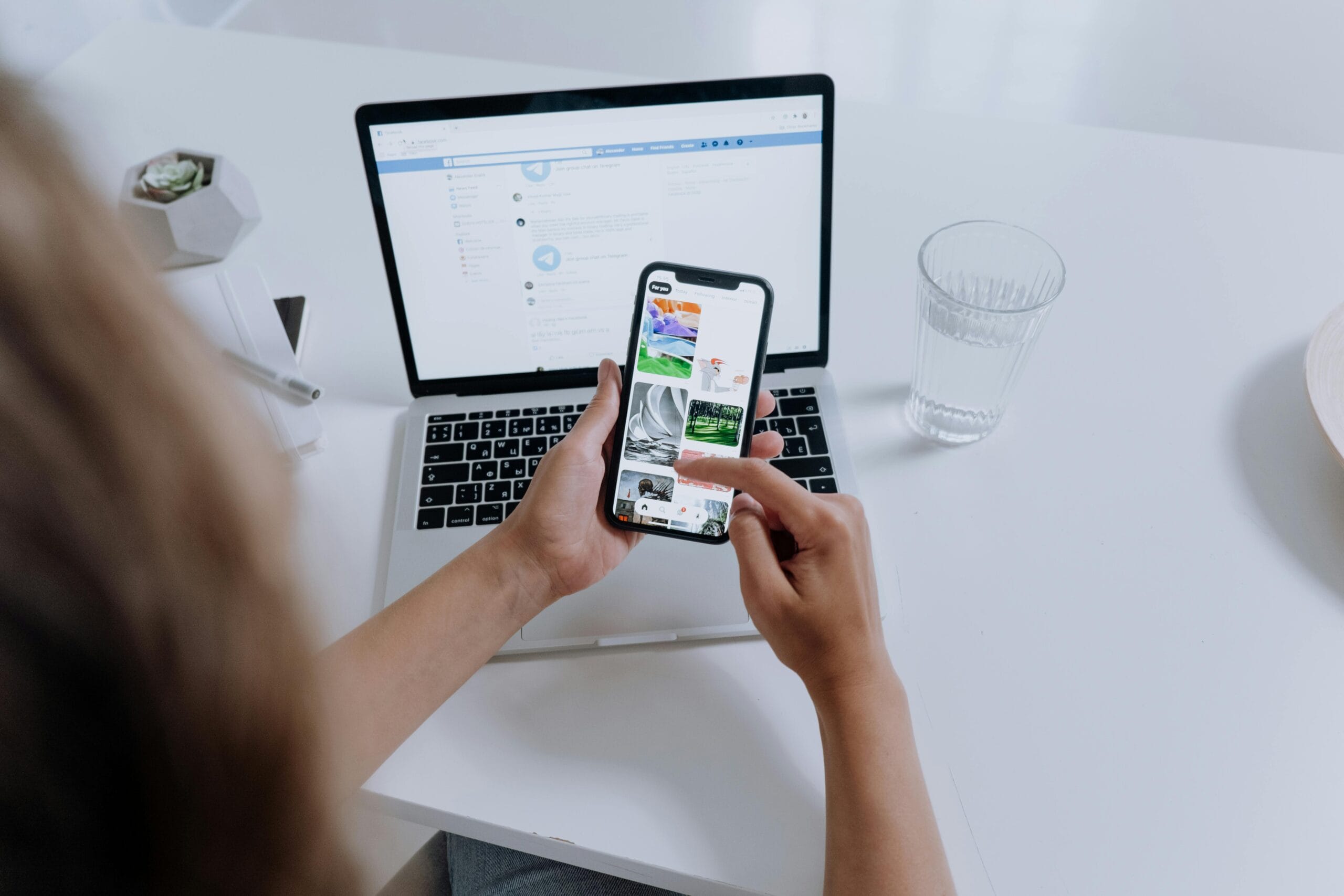
It is easy to see how digitalization improves our lives by enhancing convenience, connectivity, and access to information. When used appropriately and mindfully, our phones, computers, and appliances streamline and enhance everyday tasks. However, along with these advancements our current way of life is also associated with troubling routines. There is a ack of physical activity, addiction to devices and parasocial relations, increased FOMO (fear of missing out), comparing lives with others, increased isolation, exposure to blue screens, decreased attention span, and overall more stress. Many of these factors are key contributors to depression and anxiety.
Taking Stock
If your feelings of depression and anxiety are new, pervasive, and interrupt daily life, a journey to recovery begins with a good therapist. In the meantime, take stock of daily digital habits. It is understandable many people must use computers and other devices for their job.
For this exercise, take a week and track, without judgement, how much of your personal time is spent in front of screens. Compare this with how much energy is contributed to connecting with others, physical activity, or nature. In addition, you can go a step further. Note the feelings you experience in your body when you scroll, browse socials, or any way turn to electronics. Once you have 1-2 weeks worth of data, you are ready for the next step.
Choosing Humanness
Depending on the outcome of your experiment, you will see areas of life that benefit from choosing “humanness” over machines. Here is a list of activities that contribute to human connectivity, with yourself, or with others. These practices are proven to decrease and mitigate depression and anxiety:
✨Meditation – Although studies show meditation does not take depression and anxiety away, they find it helps significantly to relieve symptoms associated with poor mental health. Meditation is free and you are able to practice anywhere. Even in stages of life where we are never alone. The environment is loud. Taking time to close the eyes and draw attention to the breath on a regular basis, boosts health and mood.
✨Breathwork – Similar to meditation, breathwork improves stress levels and softens the edges of depression and anxiety. For instance, five minutes a day of “cyclic sighing”. This technique is controlled breathing exercise that emphasizes long exhalations. Almost instantly, it will boost mood, decrease rates of breathing at rest, and improve overall calmness.
✨Stretching –The simple act of stretching helps alleviate depression and anxiety. The stress of feeling poorly makes us feel stiff and tense. Stretching increases the levels of serotonin in our system. This is the hormone that stabilizes mood and makes us feel good.
✨Nature – Did you know taking a walk is like balm for your brain? The cognitive effects of interacting with green space, sky, trees, ocean, fresh air, or whatever is available to you are immense. Being nurtured by nature promotes cognitive development in children. It also lowers cortisol levels, improves energy and attention span levels, and eases feelings of depression and anxiety.
✨Socializing– Most of us know that a fundamental reason for depression includes feeling socially isolated and having a lack of social support. Although it seems counter-intuitive to how depressed and anxious people feel (which is anti-social), partaking in consistent social activities are essential to enrich our mind and spirit.
✨Mindfulness – There is nothing like a routine of mindfulness to assist us in being more in our bodies. This in turn helps us be more tuned to our inner voice. When we live in the state of listening to our body’s needs and honoring all emotions we grow in authenticity and confidence. Over time, this self-regulation helps stave off, or helps us be more compassionate with, feelings of depression or anxiety.
Reinforce What You Desire
It is not entirely our fault we feel addicted to technology. Behavioral Psychologist B.F. Skinner developed a theory of human behavior called Intermittent Reinforcement. ”Intermittent Reinforcement occurs when a behavior is not reinforced every time it is performed, but rather at irregular intervals. This type of reinforcement makes the behavior more resistant to extinction compared to continuous reinforcement.” This concept is highly relevant to understanding the addictive nature of digital technology, social media, and its impact on depression and anxiety.
Popular platforms utilize intermittent reinforcement through features like notifications, likes, comments, and shares. We do not receive these reinforcements consistently. Instead, they occur unpredictably, which increases our engagement and addiction. This constant checking and rechecking of social media heightens anxiety as we seek validation. And develop a fear of missing out on updates. It also increases depression. As we develop a state of constant comparing our lives, skin, clothes, bodies, personalities, and all aspects of our lives to others.
In addition, cell phones are basically the newest human appendage. Mobile applications and games often use intermittent reinforcement to keep us engaged. For instance, games reward players at unpredictable times and repeatedly offer extended versions of the current experience. Email and text notifications pop up at unpredictable times. These now commonplace functions lead to excessive screen time. Too much screen time contributes to depression and anxiety by introducing constant disruption in our daily lives.
Doing Our Best
Just as we attempt to be the best we can be in many areas of our lives, there is only so much we can do, at any given time. We will have seasons in our lives when we feel more connected to ourselves and others. There will also be times we retreat and live like a hermit in a virtual world. All things require balance. Depression and anxiety are tyrannical task masters, sometimes screaming we should be doing everything good for ourselves, all at once. Yet, self-love and softness remind us if we can have more connected and peaceful lives. We can work on placing boundaries around electronic use. When we commit to being mindful, we will commence digital detoxes when we know we should.