

In our modern, fast-paced cultures few messages encourage us to be still, to sit with ourselves, and let life flow. For instance, when exploring ways to build resilience within, it might be surprising that performing less action and allowing more allowing is the true path to cultivating adaptability and self-compassion. Many think having resilience means never struggling. Yet, true resilience is about how we care for ourselves when in difficulty.
This article offers simple, everyday steps you can begin today to build self- resilience in a way that feels natural and supportive.
Self-Kindness Reigns Supreme
Throughout our lives, we will experience hurt, challenge, betrayal, uncertainty, and self-doubt. Having resilience is about how we treat ourselves during hard times. A good place to begin to develop resilience is by replacing our internal dialogue with more compassionate and kind self-talk. It said that most humans have thousands of thoughts per day. We can give ourselves permission to rewrite the script playing inside our head. As many times as possible, as many times as we can catch, choose to be intentional about changing your inner self-talk. Over time, these small acts of self-care are like stones building a solid foundation of perseverance and self-worth.
Your Support Ecosystem
Somewhere along the road of any individual who has low self-resilience, there is a belief that if they have to ask people to love and support them, it is not real. These are mere stories that are simply not true. Just as a gardener chooses what kinds of vegetable plants he wants to plant to later feed him; or what types of flowers he wants to plant if only to nurture his soul, we too can choose not to go through things alone. People who have robust resiliency know it is okay to have needs, to take up space, and to ask others to help meet those needs. Identify people who make you feel safe and heard. Practice reaching out. Harvest love from your personal support ecosystem.
Regulate That Nervous System
We all know that stress makes everything feel harder. The good news is we are capable of calming our bodies. Doing so helps build resilience. Using relatively simple techniques such as deep breathing, stretching, warm tea, or a short walk outside are methods that can be started immediately. Although the effects may not be instantaneous, a continual (notice not necessarily zealously consistent, but continual) practice in mindfulness, intentionality, and being kind to yourself can make a life-changing difference.
Grow a Growth Mindset
Another quality that many individuals with exceptional resilience have is being able to reframe struggles not as failure, but part of learning. Instead of calling yourself names, hanging your head, and pronouncing you have many faults, you could ask the following questions. “What insights have I gained from this experience?” or “What would I like to see more (or less) of?” Celebrate small wins and recognize past times you’ve gotten through hard moments.
Gentle Routine for Emotional Recovery
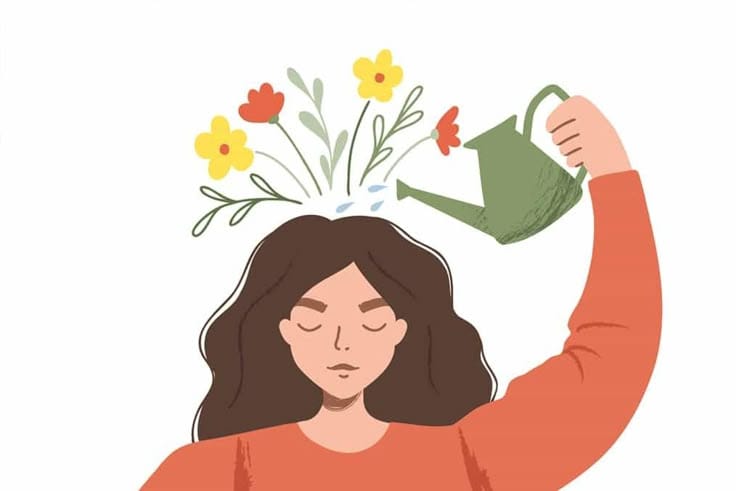
Many of us treat others much better than we treat ourselves. Or we are so miserable we treat everyone with equal disdain. Cultivating resilience is a form of self-love. We can invite into our lives comforting habits to create inner stability in tough times, or just to handle the stressors of adult days. Examples include a short evening wind-down, a daily journal entry, a favorite calming playlist, lighting candles, getting into nature, noticing wildlife, and spending time with animals. We can practice not being so damn hard on ourselves. And commit to being around people who share that philosophy.
Processing The Hard Stuff
Resilience is a lot like courage. There are many fake-it-till-you-make-it moments. You don’t do things because you are unafraid and never nervous. Resiliency, courage, and perseverance mean you do a lot of things while immensely afraid and completely unsure of the outcome. But, you do them anyway. Then, no matter what goes wrong, you choose not to identify with feelings of low self-worth or shame. But bounce back into the narrative you are building for your life. Part of being able to do this is processing past traumas. Typically with a good therapist. But there are many routes to healing. The importance is choosing to take one.
Become Like a Tree
It is said being a peaceful person is like being a tree. Nurturing beliefs of self-love and belonging are like having deep roots that will keep us upright and strong. While having branches that can sway or be shaken from Life’s storms is having resiliency. Nothing is guaranteed to us except experience. All pain is instructional. But we can be our own teacher. Create any curriculum we wish. Why not choose one of peacefulness, self-acceptance, and plasticity?
Resilience Is Built with Love, Not Force
True resilience is about showing up for yourself each day with care, not pressure. Not judgement. Not a ruling stick. Every small step counts. Moments we intentionally choose to create lasting emotional strength become lives rich with meaning and joy. Despite how we may feel oft times, the goal is never perfection. When we lean into our authentic selves and develop resilience, we will navigate challenges with more ease and self-support. You can have that. Right now. Start today.