
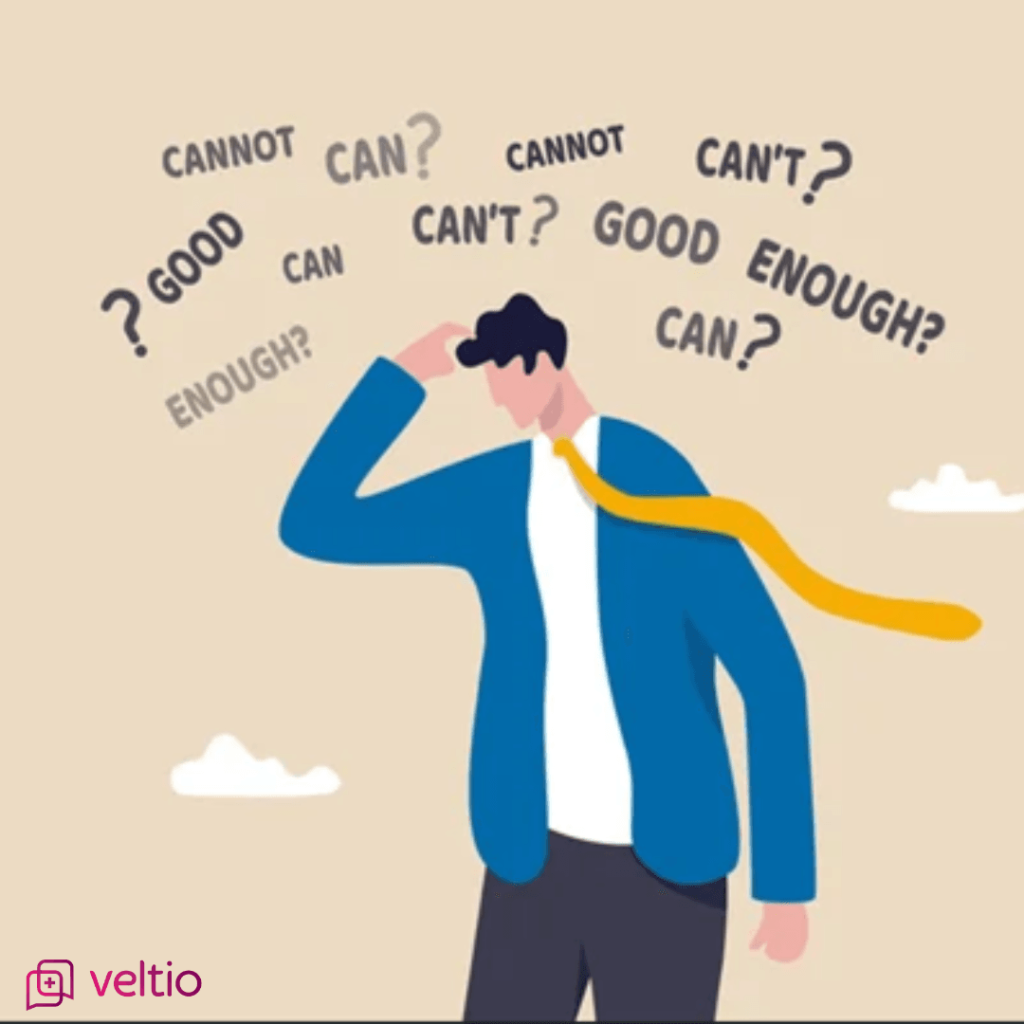

Have you ever felt like you don’t deserve success, despite all evidence to the contrary? Do you second-guess your decisions or wonder if people are secretly upset with you? Or perhaps when a boss, partner, or friend says they need to speak with you, a wave of panic rises in your chest, like you’re back in school being called to the principal’s office. When we experience persistent doubt in our abilities, combined with the fear of being “found out,” this is what psychologists call imposter syndrome. It is a common experience for many of us, causing us to feel like frauds when we are actually qualified and accomplished. This self-doubt holds us back from pursuing opportunities, enjoying our achievements, or fully expressing our talents. Understanding the roots of imposter syndrome is the first step toward overcoming it and building a more robust sense of self-worth.
Who Does This Affect?
Imposter syndrome affects people from all walks of life—doctors, artists, entrepreneurs, students, and ordinary folks. Male or female, and no matter the level of success, many struggle with it. For instance, research shows up to 70% of people experience imposter syndrome at some point in their lives. Indeed, it affects anyone at any time.
Early Origins
One theory psychological researchers suggest contributes to individuals experiencing imposter syndrome is a human development concept called the “fatal flaw.” Coined by psychologist Dr. Joan Rosenberg, the idea suggests that some children who experience a lack of emotional support and validation during childhood develop an early belief that they have an inherent, unchangeable flaw. This perceived defect makes them feel unworthy of success, love, and validation. Therefore, some adults carry around a deep, niggling feeling they are not good enough. Thus, this “fatal flaw” notion reinforces a cycle of self-doubt and contributes to a persistent identity of fraudulence.
Other Theories On How Imposter Syndrome Develops
Family Expectations and Upbringing:
Imposter syndrome stems from early family life where achievement is emphasized over effort. For example, growing up in families that set extremely high standards, or equate love with success, creates pressure to constantly prove oneself. This dynamic leads to feelings of inadequacy. Consequently, when one fails to meet expectations it fuels the belief that any accomplishment is not truly deserved.
Social Comparison:
The tendency to compare oneself to others, especially in today’s world of social media, amplifies feelings of not being good enough. Seeing others’ curated successes make some individuals feel they are falling short, reinforcing their imposter syndrome. Unfortunately, this comparison-based self-evaluation leads to discounting achievements, even when they are significant or earned after hard work.
Stereotype Threat:
Individuals from marginalized or underrepresented groups face imposter syndrome due to societal stereotypes questioning their abilities. The need to constantly prove themselves against these biases leads to increased self-doubt. As a result, the pressure of disconfirming negative stereotypes leads to heightened feelings of being an impostor, especially in competitive or elite environments.
Perfectionism and Fear of Failure:
Perfectionism is strongly tied to imposter syndrome. Perfectionists feel that anything less than a flawless performance is a failure. Not surprisingly, this fear of making mistakes or falling short causes individuals to devalue their achievements, contributing to a constant sense of inadequacy, and the fear of being “found out.”
Parental Feedback:
Early childhood feedback, whether through overpraise or constant criticism, can shape a person’s self-perception. Many children who are excessively praised for being naturally smart struggle when faced with challenges, doubting their abilities when they don’t succeed immediately. Alternatively, children who are frequently criticized or whose efforts are dismissed often internalize feelings of inadequacy, leading to self-doubt in adulthood.
5 Ways to Heal Imposter Syndrome
Healing from imposter syndrome will not happen overnight. Long entrenched beliefs are challenging to excavate, examine, and re-classify. But there are a few things that can help the development of greater self-worth, which will lead us to feel less like an imposter, and more authentic in our daily lives.
1. Reframe Our Self-Talk
One of the first steps in healing imposter syndrome is monitoring our internal dialogue. Often, the voice in our head is critical, telling us we’re not good enough. Rather than pushing these thoughts away, we can get curious about them. What are they based on? Most often, they are rooted in fear or outdated beliefs. By reframing negative self-talk and replacing it with balanced, realistic affirmations, we slowly shift our mindset. Let’s challenge automatic negative thoughts with evidence of our success and strengths.
2. Detach from Our Feelings
One powerful technique to manage imposter syndrome is learning to detach from our feelings. Feelings of inadequacy are just that—feelings, not facts. Instead of identifying with them, we become observers. We notice the emotions that arise without attaching judgment or believing they define us. Practicing mindfulness or meditation helps cultivate this habit, allowing us to step back and recognize when imposter syndrome is trying to take the lead in our thinking.
3. Acknowledge Our Achievements
One common trait of imposter syndrome is discounting our successes. To counter this, we can actively acknowledge and celebrate our achievements. Keeping a journal where we record accomplishments, positive feedback, or even small wins serves as concrete evidence that we’re not frauds. Over time, this practice helps retrain our brains to focus on our strengths and accomplishments rather than our perceived shortcomings.
4. Seek Support from Others
Healing from imposter syndrome often requires reaching out for support. We can talk to friends, mentors, or even colleagues who will offer a different perspective. As a result, simply verbalizing our doubts helps us realize how irrational they are. We also will discover that many people we admire experience imposter syndrome themselves. Hence, having a community of support provides validation and lessens the isolation that imposter syndrome creates.
5. Redefine Success
Lastly, to heal imposter syndrome, it is beneficial to redefine what success means to us. Often, we tie our worth to external achievements such as titles, awards, or recognition from others. Instead, when we focus on internal metrics of success, like personal growth, the learning process, or the courage to take risks we shift our definition of success from external validation to internal fulfillment. By doing so, we reduce the pressure to prove ourselves to others and feel more secure in our own value.
We Can Heal from Imposter Syndrome
Imposter syndrome may feel overwhelming, but it’s not a life sentence. By monitoring our self-talk, detaching from critical feelings, acknowledging our achievements, seeking support, and redefining success, we can start healing today. Remember, we are not alone in this struggle, and with the right strategies, we can build our self-worth, reclaim our confidence, and move forward with clarity and self-compassion