
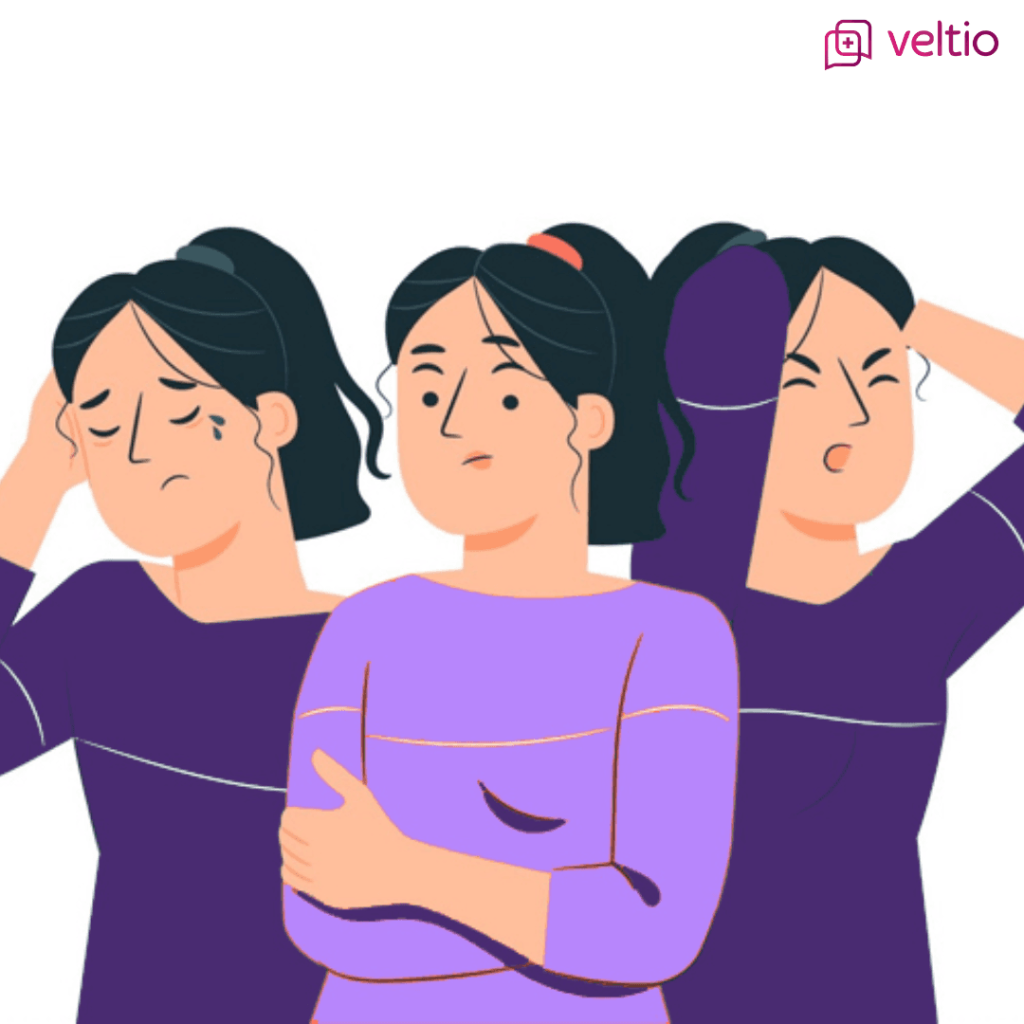
Anxious Attachers
As reviewed in a previous article, familiarizing ourselves with attachment style theory helps us understand ourselves and the people we love. With this clarity, we can develop more meaningful and authentic relationships. The two most common attachment styles are anxious and avoidant. (Sometimes called anxious–preoccupied and fearful or dismissive). Individuals who lean more anxious are typically aware of their tendencies. However, despite knowing they have anxiety, they may not be aware all the ways anxiety shows up in their relationships. Whereas, those who lean more avoidant may or may not be aware of any of their behaviors. This article will review the attributes of anxious attachers or Love Addicts as educator Pia Mellody calls them. It will also explore what can be done to navigate this attachment style’s challenges. Finally, how to work toward a place of acceptance and compassion for anxious attachment style tendencies.
The Life of the Anxiously Attached
Anxious attachers/individuals with anxious attachment style/Love Addicts, love being in relationships. The irony is, participating in them often causes profound emotional swings of highs and lows.
A person with an anxious attachment style may experience the following themes in their relationships:
💗Anxious attachers love the idea of love and tend to fall for people quickly.
💗Conversely, once feelings have developed, it is hard to trust the other person feels the same way.
💗There is an almost constant fear that something will go wrong.
💗They have strong beliefs about how love interests or partners “should act” toward them.
💗Their overall mood, or perception of the relationship, is largely based on their partner’s mood.
💗Feel they need to work hard to keep their partner happy.
💗Love Addicts only feel as secure as their last interaction with their partner.
💗When waiting to hear from a partner, the anxious attacher can feel immense anxiety.
💗Once an anxiety spiral begins, they will feel a compulsive need to communicate with their partner.
💗If they feel something is going wrong, anxiously attached persons often feel it is their fault.
💗Many times, a Love Addict will want to “win” a partner before they have decided they even like the person.
💗When a partner pulls away or acts distant, for any reason, they tend to take it personally.
💗If their partner asks for space, Love Addicts automatically catastrophize, believing the end of the relationship is near.
💗While waiting for their partner to reconnect, they may have trouble functioning; even simple day-to-day tasks may seem impossible.
💗They crave consistent reassurance from their partners and will often “check-in” on the relationship.
💗To re-establish connection they will often result to protest behaviors such as holding feelings in until they become resentful, manipulating their partners with guilt, or having emotional outbursts.
💗Love Addicts struggle to maintain their own lives separate from their partners.
💗When conflict arises, many Love Addict’s nervous systems go into fight, flight, or fawn.
What Is Yours, What Is Mine?
If the descriptions above describe you, or your partner, chances are one person in the relationship leans more avoidant. However, whether you are partnering with an avoidant, or a securely attached person, learning to suss out what is your responsibility in managing your anxious tendencies is vital for the health and longevity of your relationship. A lot of information available online paint avoidant attachers as villains, cold-hearted, and to be run from. But someone with an anxious attachment style, who is not self-aware, can subconsciously be just as destructive to their romance. Trying to explain to a Love Addict that their behaviors are equally part of the problem, can very daunting. They blame their partner’s lack of attention for most of the problems they experience as a couple. Due to their acute fear of abandonment, any inconsistent human foibles their partner display may be perceived as a direct threat.
As explained in Part 1 of this article, when we are children our attachment styles are developed in infanthood. Our earliest interactions with our caretakers contribute to how we develop, as well as our view of self in relation to others. Many times the unconditional love we seek from a partner can actually be trying to heal an old wound created by our parents. Learning to develop interdependence versus codependence is essential for individuals struggling with any attachment style, but especially anxious attachers. Doing this will allow their partners to feel free to be their own person and not bear the full responsibility for the anxious partner’s emotions and happiness.
Navigating Anxious Attachment Responses
When something happens to trigger someone with an anxious attachment style, it is a very frightening experience. The person sometimes feels like they will die if reconnection is not established quickly. Reacting this way is a psychological as well physiological response. Behaviors can be anything from increased heart rate, dizziness, increased blood pressure, or tightness in the chest. Dissociation can be common. Voices or beliefs in their head can feel very powerful and convince the person they are right in their erroneous thinking.
To break free from these patterns, anxious attachers can do the following things:
💗First, recognize their triggers. They may have several. Give them a name if it helps identify them. For example, being laughed at could evoke memories of humiliation or degradation in childhood.
💗Once you get better recognizing triggers, work on regulating your nervous system. This could be through mindfulness techniques such as grounding exercises, meditation, or therapy. For example, somatic practices such as tapping and EMDR.
💗Recognize limiting beliefs and old narratives. Remember that feelings are not final, and feelings are not facts. For example, when triggered listen to the things you are saying to yourself. Stop them and say positive things instead.
💗Self soothe. Much of the work individuals with anxious attachment style need to embark on include practices of self-soothing. For example, reading about re-parenting exercises, staying busy with hobbies, and developing trust with others.
Acceptance Is Magic
There are not many fairy tales to believe in as adults. But there are some magical skills that can be developed to radically change our lives. Compassion is one of them. Accepting what has happened to you in the past, and the way it directly impacts your present, is the only way to lasting peace. Individuals with an anxious attachment style yearn and long for everlasting love. But because most Love Addicts were not able to trust their first caretakers, they do not trust themselves. Therefore, they often seek love, attunement, and nervous system regulation from the person they are dating. Additionally, having an anxious attachment style means you may resent a partner’s attempts to establish boundaries. When in reality. boundaries are good for you, and your partner.
Healing Is Not Linear
Having an anxious attachment style can feel like a curse. But the thing about learning, growing, and healing is- there is no finish line. There will be steps forward and steps back. There might be times you feel you are moving in circles or hitting dead ends. Having a practice of being present as well as a practice of gratitude can help. It’s also important to note that attachment styles are not fixed. Although most of us have a proclivity to one style more than another, they can be fluid. Attachment style attributes that we display can depend on the style of our partners, stage or circumstances in our life, and more. Therefore, being observant and curious about ourselves and the people we love will be of lasting benefit in understanding and loving better. Part 3 of this article will explore more about avoidant attachers.
Find out what your attachment style is here.