
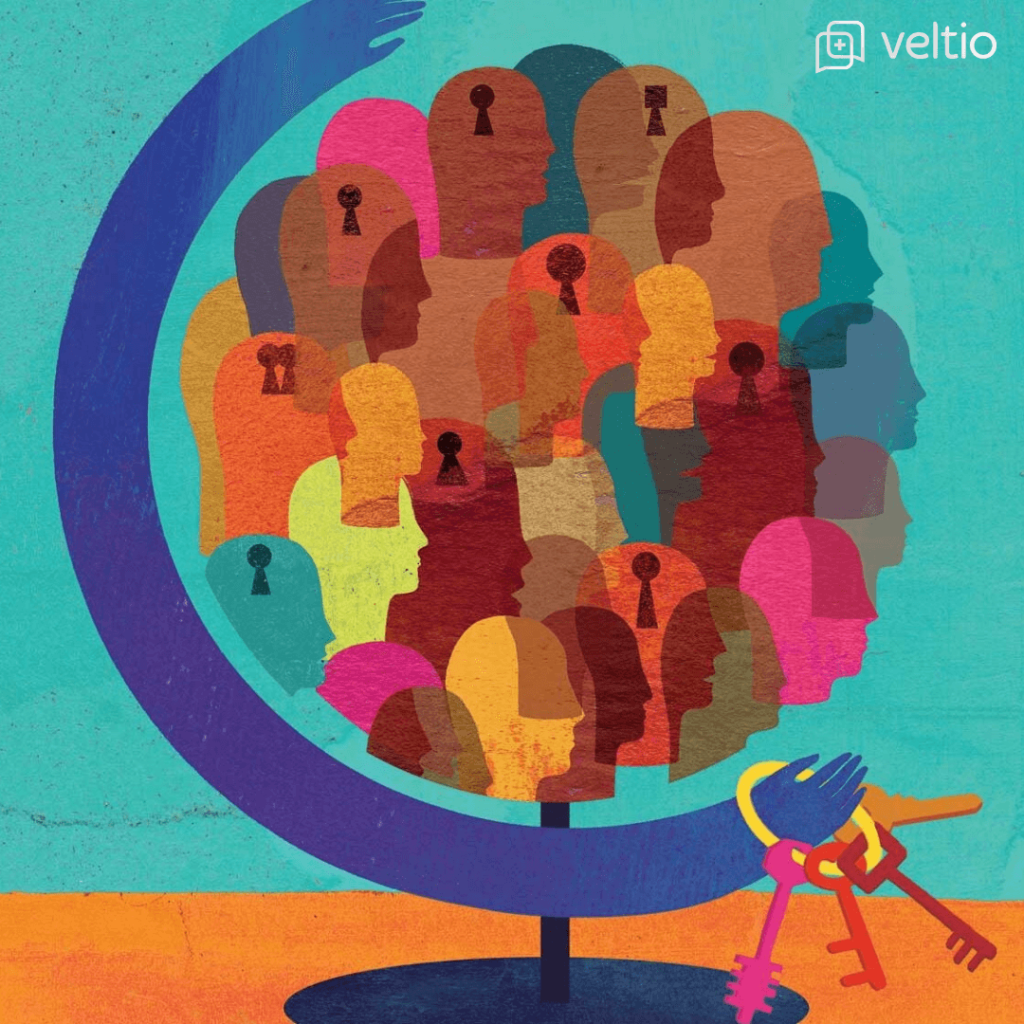
When it comes to mental health, where we are from has an impact on how we perceive and address mental health difficulties. Much of what we believe is shaped by societal norms, beliefs, traditions, and the availability of mental health resources. Therefore, it is vital for patients and providers to understand cultural nuance to encourage effective, respectful, and inclusive mental health care. Below is information on understanding why cultural differences is essential:
The Western Approach: Personal Responsibility
In many Western nations, mental health is increasingly recognized as a significant part of overall health. By and large, stigma surrounding mental health issues has diminished. And more open discussion and better access to mental health resources has become the norm. Countries like the United States, Canada, and the United Kingdom now typically approach mental health through a medical lens. For instance, diagnosing and treating disorders is determined by using standardized criteria like the DSM-5, or the Diagnostic and Statistical Manual of Mental Disorders.
Treatments for many mental health ailments include cognitive-behavioral therapy (CBT), medication, and counseling.These models emphasize individual responsibility and self-improvement. Moreover, public campaigns and educational programs aim to raise awareness, reduce disinformation, and encourage people to seek help. Not surprisngly, increasing education and therapy into the broader healthcare system, with a focus on early intervention and prevention, has advanced mental health services in these regions.
Eastern Perspectives: A Holistic Approach
In contrast, many Eastern cultures view mental health through a lens of spiritual and philosophical beliefs. Countries like India, China, and Japan incorporate traditional practices such as Ayurveda, Traditional Chinese Medicine (TCM), and meditation into mental health care. These approaches emphasize balance and harmony. Thus, the aim to treat mental health issues by restoring equilibrium through natural remedies, dietary changes, and spiritual practices.
For instance, in India, mental health is sometimes linked to imbalances in the body and mind, with treatments focusing on holistic healing. In China, TCM address mental health challenges through attempting to balance yin and yang and the flow of qi (energy) in the body. Indeed, treatments such as acupuncture, herbal medicine, and tai chi are common. Japan blends these traditions with modern practices. It emphasizes concepts like “ikigai” (one’s sense of purpose) and “wa” (harmony), alongside community support.
Middle Eastern and African Views: Communal Well-Being
In many Middle Eastern and African cultures, mental health is often seen within the context of social and communal well-being. As a result, religion and traditional beliefs play a crucial role in these perspectives. In Islamic cultures, mental health is frequently connected to spiritual health, with practices such as prayer and Quranic recitation beig sited as integral for coping strategies. The community and family are central to mental health care, and there is a strong emphasis on maintaining social harmony and fulfilling communal duties.
African cultures also prioritize communal well-being. Forthwith, traditional healers use herbal medicine and rituals to address mental health care. For example, the concept of “ubuntu,” emphasizes interconnectedness and mutual support and takes the communal approach to mental health. This is illustrated by exploring the issues within the community rather than through formal medical systems.
Indigenous Perspectives: Connection to Land and Culture
Meanwhile, indigenous cultures worldwide have unique perspectives on mental health. Thier mindsets include a deep connection to land, community, and spiritual practices. Native American communities in the United States link mental health to cultural identity and historical experiences. This is seen by their use of healing practices like ceremonies, storytelling, and nature connection. Consequently, the concept of “wellness” in these communities encompasses physical, emotional, mental, and spiritual dimensions.
Australian Aboriginal communities understand mental health through the concept of “social and emotional well-being,” which includes cultural, spiritual, and community aspects. Hence thier healing practices often involve land connection, cultural participation, and community strengthening.x

Why It’s Important to Consider Cultural Differences
Understanding cultural differences in mental health is beneficial for patients and providers for several reasons:
1. Reduces Stigma and Enhances Engagement
Awareness of cultural perspectives reduces stigma and encourages individuals to seek help. Accordingly, when mental health care respects cultural beliefs, patients feel better understood and supported, which leads to better engagement with mental health services.
2. Improving Communication and Trust
Cultural competence in mental health care enhances communication between patients and providers. Understanding cultural norms and practices fosters trust and respect which is essential for effective diagnosis and treatment. Ultimately, misunderstanding, overtly neglecting, or having cultural insensitivities hinders care and exacerbates distress of clients.
3. Tailoring Treatment to Individual Needs
Cultural knowledge allows providers to tailor treatments to the individual’s cultural context. For this reason, this improves the effectiveness of interventions. Additionally, it respects patients’ values and beliefs, making thier treatment more acceptable and effective.
4. Building Community and Support Networks
Incorporating community leaders and traditional healers in mental health initiatives strengthens support networks. These collaborations enhance the cultural relevance of mental health programs and go a long way in obtaining client trust and buy in.
Bridging the Gap: Strategies for Culturally Sensitive Care
To bridge cultural differences in psychological care, several strategies can be implemented:
- Cultural Competence Training: Train mental health professionals to understand cultural contexts, recognize their biases, and develop skills to communicate effectively across cultures can be crucial.
- Community Involvement: Engage community leaders, traditional healers, and families in mental health care to enhance cultural relevance and acceptance.
- Promote Education and Awareness: Educate the public about mental health and its cultural aspects to reduce stigma and promote understanding.
- Increase Access to Services: Enhance the availability and accessibility of mental health services, particularly in underserved communities, for more equitable care.
Conclusion
To summarize, understanding and respecting cultural differences when addressing mental health challenges is vital for providing effective and inclusive care. Thus, fostering a sense of curiosity, respect, as well as understanding among patients and providers, develops a more holistic approach that enhances well-being and supports diverse communities. Mental health care is a universal concern, and addressing it requires a global effort. In doing so, we honor and help integrate a rich tapestry of cultural perspectives.