
PART 1
Once we decide to implement change in our lives, it is good to understand the resources available to help. Most notably, learning about our nervous system can rocket self-growth and healing journey. In a previous article, we mentioned several options to explore treating our trauma and deepen our love for self. For instance, talk therapy (cognitive behavioral) and somatic (body) work are chief among them. In this article, we discuss how nervous system function directly impacts bodily sensations and therefore our thoughts and daily lives. Additionally, learn about these functions, what they are trying to do, and why, informs our healing process and self-growth.
Biology and Mood
Most of us know that our brains are super machines trying to make sense of our environment and keep us safe around the clock. Consequently, a very large part of the brain’s job includes working in conjunction with our body’s nervous system. This team of organ and nerve networks interacts with our environment and sends reports to the brain for interpretation. We may understand the nervous system to be in charge of automatic functions of our body such as breathing and digestion. But, it also oversees autonomic responses, because depending on the circumstances of our surroundings, bodily functions need to change. For instance, think about holding your breath when you were afraid. Or not eating when you are stressed about something. These responses illustrate signals from your nervous system, sent to the brain due to circumstances going on in your environment.
What is the Nervous System
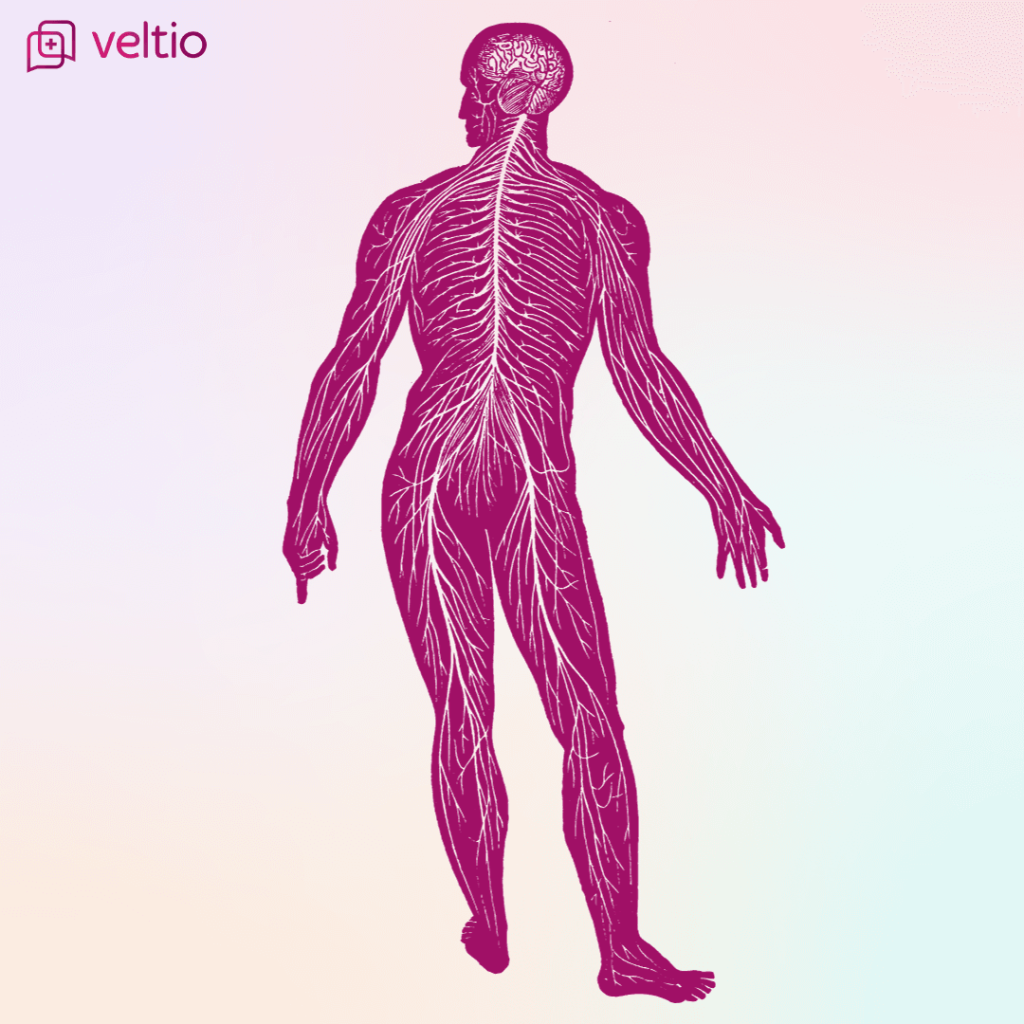
The human body’s nervous system is comprised of the brain, the spinal cord, and complex pathways of nerves. Secondly, it is broken up into two major parts: the sympathetic and the parasympathetic. The parasympathetic nervous system restores the body to a calm and composed state and prevents it from overworking. Whereas, the sympathetic nervous system prepares the body for fight and flight response. Foundationally, when working together, you can view this complex system as your individual operating software. Correspondingly, millions of lines of code were written according to your earliest experience. Then, data received in everyday life interprets the information according to the software program specifically designed from the details of our young life or from traumatic events. Thus, depending on what our nervous systems went through, it adapts and reacts to real or perceived threat.
Polyvagal Theory
Polyvagal Theory was proposed by an American psychologist and neuroscientist named Stephen Porges. This theory posits that for those whose self-defense mechanisms engaged repeatedly or chronically, a maladaptive response of the nervous system developed. Under those circumstances, some people feel stuck in the sympathetic response of fight or flight. While others, if their nervous systems are taxed from chronic overstimulation, or flight or fight did not work, the body reverts back to parasympathetic responses that are not helpful for the current situation, such as freeze or fawn. In other words, when we face an overwhelming emotion or bodily sensation caused by an event (such as an argument, perceived abandonment, or threats to our safety) the following could occur:
Polyvagal Chart

From the chart above, we may recognize responses we may have had when faced with a stressor. Under those circumstances, when in an argument, there is a tendency to shut down, go mute, or feel numb. Accordingly, this would indicate a dorsal response of the nervous system. In like manner, maybe one of our knee-jerk reactions to someone bringing us something we did is to lash out. For that reason, we become combative and verbally attack. This indicates a sympathetic response of the nervous system because we perceive we must fight to protect ourselves.
During a self-growth journey, we learn that becoming aware of our emotions and labeling them is of great importance. Therefore, doing so regularly, along with understanding Polyvagal Theory, allows us to understand why our bodies and thoughts are reacting the way they do. Moreover, by familiarizing ourselves with our specific internal operating software, we can re-write the stories we have told ourselves. Thus learning new ways to feel safe. In other words, learning how our nervous system works allows us to work out the bugs. In short, write new code to be a happier, healthier version of ourselves!
In the next article, we will learn quick, cost-effective ways to calm our nervous system responses of Fight and Flight or Freeze and Fawn. For this purpose, they will be simple, cost-effective techniques that we can begin right away.