
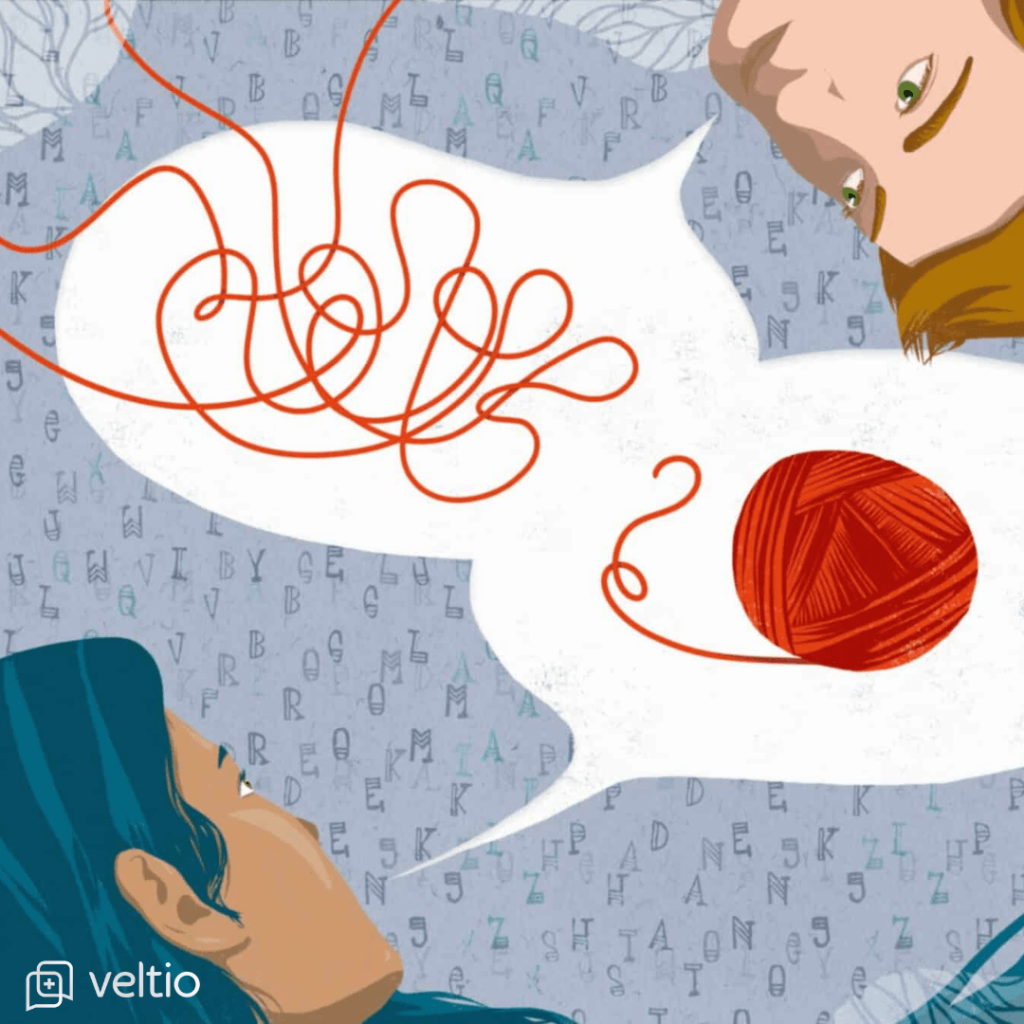
By now most people have heard of attachment theory. Although the research has been around for almost fifty years, it is only recently more well-known. This article will show how understanding your attachment style is not just for people interested in psychology. When you have a basic knowledge of attachment concepts it clears up confusion you may have felt in past relationships. It also deeply benefits your current romantic partnerships or friendships. Lastly, familiarizing yourself with this theory will help you gain a compassionate understanding of your loved ones’ inner worlds.
Brief History of Attachment Theory
Bowlby
Attachment theory originated from the work of British psychoanalyst John Bowlby. In his studies on infants, he explored the extraordinary lengths babies will go to maintain proximity to their caretakers. Behaviors such as crying, searching, clinging, etc. Anything to not be separated from the adult who provides care for them. He believed nature develops these attachment behavioral systems as strategies to improve a child’s chances of survival. Depending on how caretakers respond to these bids later becomes the basis of someone’s attachment style.
Bowlby postulated that when caretakers are readily accessible and nearby, children feel secure, loved, and confident. They will not be afraid to explore their surroundings or be social with others. In contrast, when a caretaker is neglectful, or punishing, it causes great distress and behaviorally the child will make further reaches for the adult. But if those extended efforts are not met successfully, the child will keep trying and eventually grow weary. When that occurs, it causes profound depression and despair. These types of interactions contribute to how a person develops his view of himself in relation to others. Moreover, these findings informed the basis for the categories of different attachment styles.
Ainsworth
But there was a little more to it. Bowlby noted children have different reactions to the accessibility of a parental figure that directly impacts development of attachment style. Building from Bowlby’s work, colleague Mary Ainsworth developed a technique called the strange situation. This experiment is an approach used in a laboratory to study parent-child separation. In the strange situation, one-year-olds and their parents are brought to a lab and purposefully separated, then reunited with one another. Upon reunification for this type of experiment, it is observed that approximately 60% of children behave in a way that is considered normal. They are happy, run to their parents, and accept affection. Meanwhile, approximately 20% react more anxiously, and somewhat avoidant.
Although happy to see caretakers, these children display a mixture of enthusiasm and protest behaviors. Possibly hugging the parent, then push them away or cry. While still another 20% ignore their caretakers altogether, play with toys and stay away. These children do not accept affection or overtly act as if they care they are reunited. Ainsworth’s findings parallel Bowlby’s attachment style descriptions.
Hazen and Shaver
Although Bowlby and Ainsworth’s work focuses on infant and caregiver relationships, psychologists Cindy Hazan and Phillip Shaver proposed a child’s attachment style carries over to their intimate relationships. This occurs because, for each of us, our first experiences build a mental representation of the world in our minds. It shapes how we see people and how we believe they see us.
Therefore it affects our comfort level in interacting with others, how we regulate emotion, and how we perceive people’s actions and behaviors. The manner in which we “attached” to our caregivers influences how each of us reacts to our needs and how we go about getting those needs met. The attachment style we have from the four available ones will be influenced by our early experiences in life.
The Four Attachment Styles
It’s important to note that attachment styles are not set in stone. In fact, they can change depending on the relationship you are in, self-improvement, or maturity. Not everyone will identify with every descriptor attributed to their style. But learning about your own attachment, as well as your loved one, can assist you with more positive interactions in the future.
1. Secure
Securely attached people typically had a warm and loving bond with their early caretakers. Their needs were met consistently. They were shown love and affection. Interactions were not punitive, but instructive and playful. Caretakers were attuned to the child’s needs.
- As adults, people with a secure attachment style will display the following attributes in their intimate relationships:
- An overall sense of self-worth and deservedness.
- A belief they are loveable.
- Comfortable with giving and receiving affection and praise.
- Welcome intimacy and physical touch.
- Are comfortable with togetherness, as well as taking time apart.
- Willingness to work on problems and not always take situations personally.
- Invite their partner to rely on them.
- Appreciate relying on someone else.
- Willingness to navigate conflict and uncertainty.
- Understand that setbacks and problems are part of life.
- Have the ability to trust.
- Seek balance.
2. Anxious
Anxiously attached people had an inconsistent relationship with their early caretakers. Perhaps one day their needs were met, the next they were not. Interactions may have oscillated between appropriate and then wildly inconsistent. Children felt they had to cling to their parents to get their needs met.
As adults, people with an anxious attachment style will display the following attributes in their intimate relationships:
- An overall sense of believing they are not worthy.
- Feel they have to work hard to get love.
- Crave affection and praise to a high degree.
- Their need for reassurance can be never-ending.
- Their mood is highly dependent on how they feel their partner is feeling about them.
- May be too affectionate or demonstrative.
- Over-rely on their partners.
- Are resentful when they perceive their needs aren’t being met.
- May blame themselves for problems in the relationship.
- Are not mindful, or even aware, of their own needs.
- Can be terrified of conflict and pacify their partner, even if it’s not their fault.
- Difficulty trusting.
- Severe fear of abandonment and difficulty taking space.
- Struggles with balance.
- Deep-rooted shame.
3. Avoidant
Avoidantly attached people may have had dismissive or emotionally absent early caretakers. Although their physical needs may have been met, their emotional needs were not. Some research shows that avoidantly attached people experienced repeated maternal rejection. Their childhoods are often filled with isolation and despair. Needs were so often unmet, the avoidantly attached child stops making bids for love at all.
As adults, people with an avoidant attachment style will display the following attributes in their intimate relationships:
- An overall sense of believing they are not worthy, although may show false confidence.
- Desire love, but push others away when they get too close.
- Turn away from affection and praise from people they truly care about.
- Fear intimacy and being vulnerable.
- Take pride in hyper-independence, sometimes to the point of isolation.
- Feel people should deal with their own problems and not rely on others.
- Can be repulsed by other people’s needs.
- Struggle with physical intimacy and reject closeness in many forms.
- Suppresses outward displays of affection.
- Avoids commitment.
- Is suspicious of people’s motives and does not trust easily.
- Throws themselves into activities to avoid relationships or discussions about feelings.
- Severe fear of abandonment.
- Rarely contemplates balance.
- Deep-rooted shame.
4. Disorganized
Disorganized attached people may have grown up with erratic or unpredictable caretakers. Needs were often not met and parents may have been traumatized children themselves, grown into emotionally deficient adults. Due to their own difficulties, these caretakers may have met the child’s bids for attention with stress or unpredictability. This led the child to believe the world to be scary and confusing.
As adults, people with a disorganized attachment style will display the following attributes in their intimate relationships:
- An overall sense of very low self-worth.
- Desire love, but may not even try to obtain it, or push it away when people get close.
- Difficulty regulating emotions.
- Display chaotic behaviors such as extreme fear of rejection, but rejecting others.
- A negative self-view of others.
- Poor social skills and few friendships.
- Sabotages relationships, even when they want them.
- Difficulty managing stress and displays aggressiveness.
- Deep-rooted shame.
Why This Matters
Knowing about attachment styles can help us understand ourselves as well as others. It can open a dialogue with people we love. Having vulnerable discussions can be scary, but if navigated compassionately, they can improve communication and bolster the health of our relationships. If our partner is not ready to talk, familiarizing ourselves with attachment styles can quietly inform us why we act the way we do. From understanding can grow every good thing.